The Pillars of Self-Care: A Guide to Nurturing Your Well-being
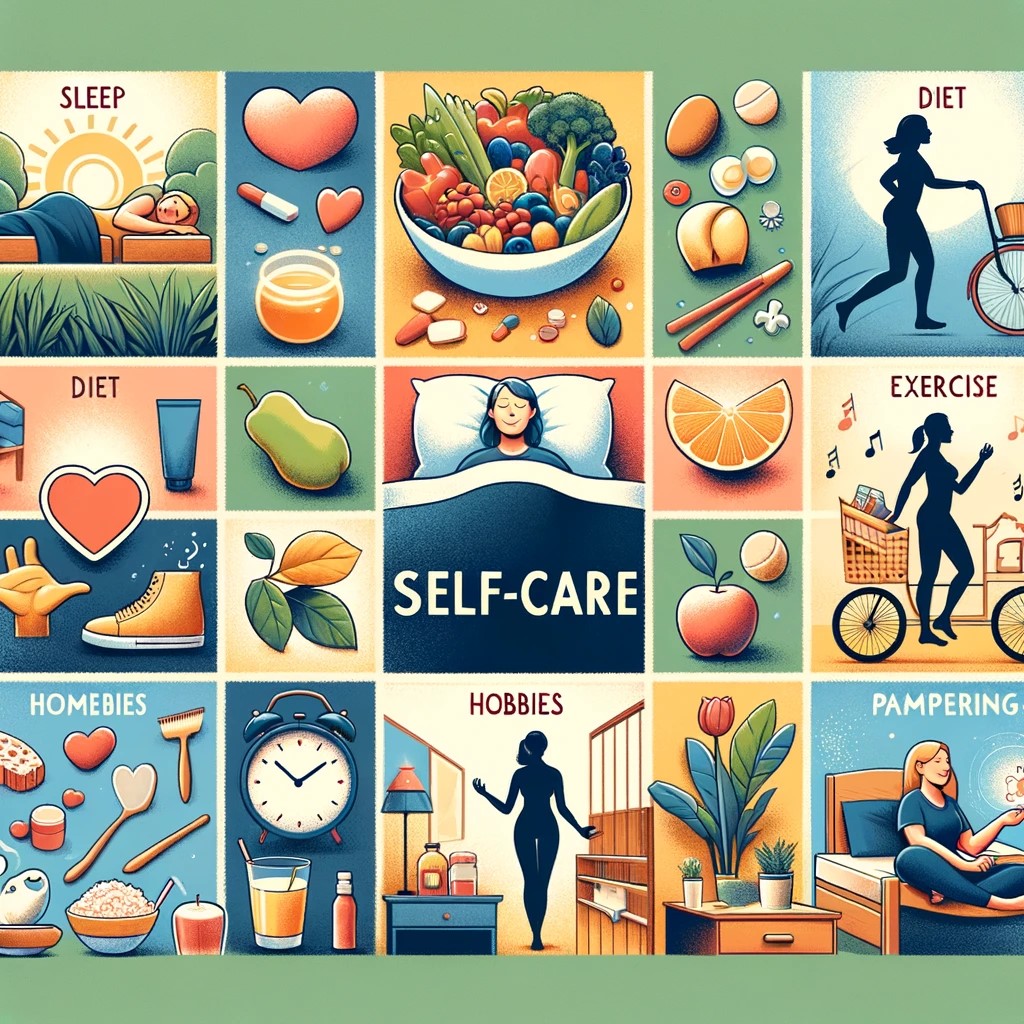
Self-care is more than a buzzword; it’s a fundamental practice essential for mental and physical health. At its core, self-care encompasses three critical aspects: sleep, diet, and exercise. But there’s more to it than just these. Let’s delve into these foundational elements and explore additional self-care practices that contribute to a balanced life.
The Role of Sleep in Self-Care
Sleep is not just about when we rest, but how much quality rest we get. The quantity of sleep, ideally 7-9 hours for most adults, is crucial for our brain to recharge, process information, and maintain emotional balance. A lack of sufficient sleep can lead to impaired cognitive function, mood swings, and increased stress levels.
Diet: Beyond Just Eating Healthy
While a healthy diet is important, it’s equally vital to focus on avoiding processed foods. These foods often contain high levels of sugars, unhealthy fats, and additives that can negatively impact mood, energy levels, and overall health. A diet rich in whole foods like fruits, vegetables, lean proteins, and whole grains provides the nutrients necessary for physical and mental well-being.
Exercise: Pushing Yourself Physically
Exercise in self-care isn’t about extreme fitness regimes; it’s about engaging in physical activity that challenges and benefits the body. This can range from a gentle walk to more intensive exercises, depending on one’s fitness level and preference. Regular exercise releases endorphins, known as ‘feel-good’ hormones, which can reduce anxiety and depression symptoms.
The Importance of Hobbies and Pampering
Self-care also involves activities that bring joy and relaxation. Hobbies, whether creative, intellectual, or physical, provide a necessary break from the routine and stress of daily life. Pampering oneself, be it through a spa day, a relaxing bath, or simply quiet time with a book, is vital for mental rejuvenation.
Consequences of Neglecting Self-Care
Ignoring self-care practices can lead to burnout, increased stress, and mental health issues like anxiety and depression. Without proper self-care, maintaining a balanced life becomes challenging, leading to a cycle of constant stress and fatigue.
The Necessity of a Balanced Life
A balanced life is key to sustaining overall well-being. It involves harmonizing work, relationships, self-care, and leisure. This balance is crucial as it allows individuals to manage stress effectively, enjoy life, and maintain physical and mental health.
Conclusion
In summary, self-care is multifaceted, encompassing sleep, diet, exercise, and beyond. It’s about nurturing the body and mind through thoughtful practices and activities. By prioritizing self-care, we pave the way for a healthier, happier, and more balanced life. It’s not just an act of indulgence but a fundamental aspect of living well. If you would like to learn more about this or any other mental health tips from a licensed therapist, make sure to subscribe to this blog.
 Navarro Counseling
Great article
Leslie Navarro
LoKation Real Estate 🏠
786-303-1622
LikeLiked by 1 person