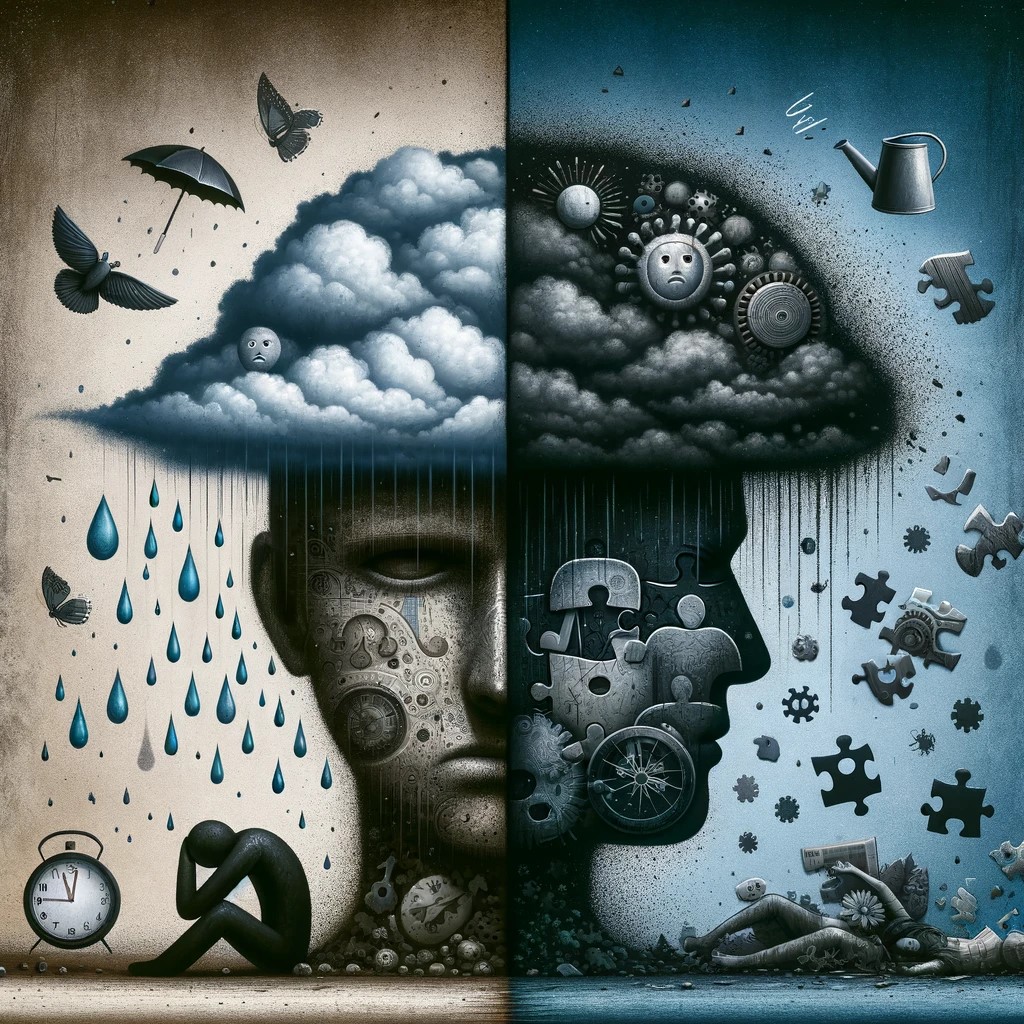
The Difference Between Being Sad and Being Depressed
Sadness and depression are terms often used interchangeably in everyday language, yet they represent significantly different experiences on the spectrum of human emotions and mental health. Understanding these differences is crucial, not just for academic purposes, but for recognizing when it’s time to seek help for oneself or others.
What is Sadness?
Sadness is a natural, human emotion that everyone experiences at various points in their lives. It’s typically triggered by specific situations or events, such as a disappointment, loss, or failure. The key characteristic of sadness is its transiency; it comes and goes, and people can usually pinpoint the reason behind their feelings. For example, feeling sad after bidding farewell to a friend is a normal reaction to the circumstances.
What is Depression?
Depression, particularly Major Depressive Disorder (MDD), is a clinical condition that affects how you feel, think, and handle daily activities. Unlike sadness, depression isn’t just a temporary fluctuation in mood. It’s characterized by persistent feelings of sadness, emptiness, or hopelessness that last for at least two weeks or longer, significantly interfering with one’s ability to function.
Criteria for Major Depressive Episode
The diagnosis of a Major Depressive Episode, according to the Diagnostic and Statistical Manual of Mental Disorders (DSM-5), requires the presence of five or more of the following symptoms during the same 2-week period, and at least one of the symptoms should be either (1) depressed mood or (2) loss of interest or pleasure:
- Depressed mood most of the day, nearly every day.
- Markedly diminished interest or pleasure in all, or almost all, activities most of the day, nearly every day.
- Significant weight loss when not dieting or weight gain, or decrease or increase in appetite nearly every day.
- Insomnia or hypersomnia nearly every day.
- Psychomotor agitation or retardation nearly every day (observable by others).
- Fatigue or loss of energy nearly every day.
- Feelings of worthlessness or excessive or inappropriate guilt nearly every day.
- Diminished ability to think or concentrate, or indecisiveness, nearly every day.
- Recurrent thoughts of death, recurrent suicidal ideation without a specific plan, or a suicide attempt or a specific plan for committing suicide.
Depression-Related Disorders
While Major Depressive Disorder is the most commonly known, there are other types, including Persistent Depressive Disorder (dysthymia), Bipolar Disorder, Seasonal Affective Disorder (SAD), and Postpartum Depression, each with unique criteria and manifestations.
Differences Between Sadness and Depression
- Duration: Sadness is temporary; depression is persistent.
- Impact on Functioning: While sadness can affect one’s mood and energy levels temporarily, depression significantly impairs one’s ability to function in daily life.
- Physical Symptoms: Depression often includes physical symptoms, such as changes in appetite or sleep patterns, which are less common with sadness.
- Suicidal Ideation: Thoughts of death or suicide are more common in depression.
Signs Someone May Be Depressed
- Withdrawal from social activities
- Significant changes in appetite or weight
- Speaking or moving with noticeable slowness
- Unexplained physical problems, such as back pain or headaches
- Persistent feelings of sadness, anxiety, or emptiness
- Irritability or frustration, even over small matters
Recognizing the difference between being sad and being depressed is the first step toward getting help or supporting someone who may be struggling. Depression is a serious but treatable condition, and early intervention can make a significant difference in recovery. If you or someone you know is experiencing signs of depression, reaching out to a healthcare professional can provide the support needed to navigate this challenging condition. Feel free to contact me http://www.navarrotherapy.com
 Navarro Counseling