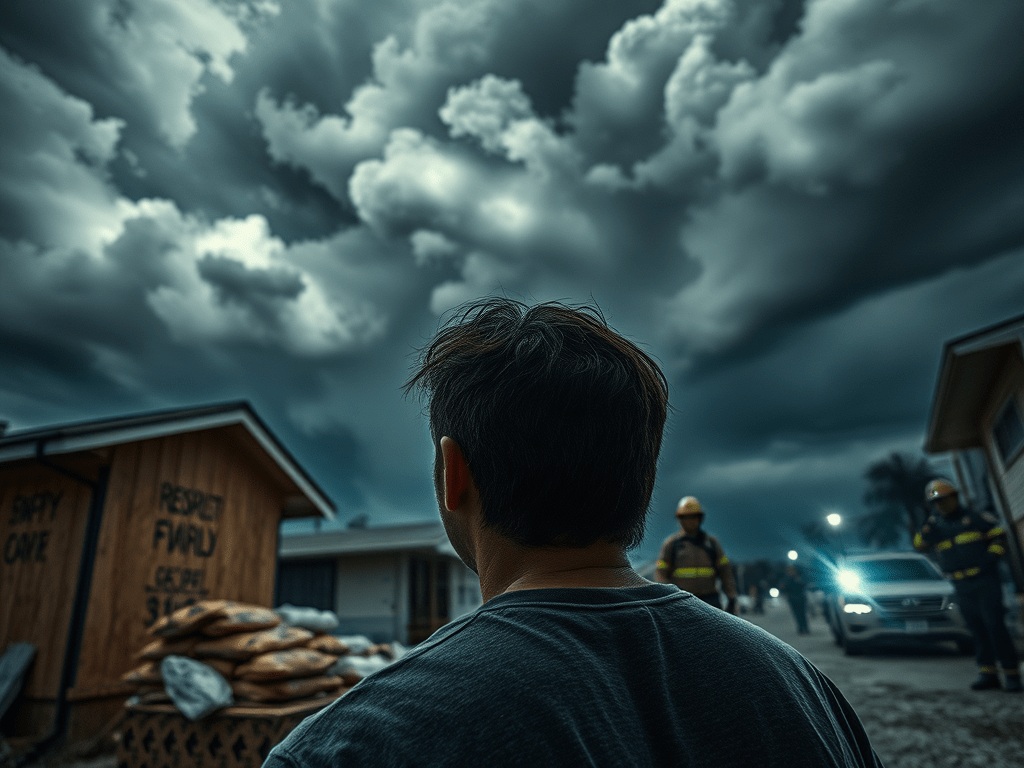
Summer 2025 brings an above‑normal Atlantic hurricane season forecast and growing concerns about flash flooding across South Florida. NOAA predicts a 60% chance of an above‑normal season, with 13–19 named storms. Meanwhile, veteran meteorologist John Morales warns that federal funding cuts have left forecasters “flying blind,” potentially delaying life‑saving warnings (The Guardian).
Psychological Impact on Residents
Even before a storm arrives, anxiety spikes: alerts, sandbag runs, and boarded‑up windows become daily stressors. After landfall or heavy rains, survivors commonly experience:
- Hypervigilance & Panic: Heart racing at the sound of wind or rain
- Insomnia & Fatigue: Sleep disrupted by cleanup or worry
- Flashbacks & Intrusive Thoughts: Replaying storm imagery
- Emotional Numbing: Feeling detached from loved ones
According to the CDC, up to one‑third of disaster survivors develop PTSD, depression, or anxiety disorders in the aftermath (CDC: Coping with a Traumatic Event).
Coping Strategies for Residents
- Activate Local Support Early
- Florida Disaster Distress Helpline: 1‑800‑985‑5990 (press 2 for Spanish)
- United Way 211: Dial 2‑1‑1 for shelter, food, and mental‑health referrals
- Re‑Establish Routine
- Aim for 7–8 hours of sleep by keeping consistent bedtimes.
- Eat balanced meals—canned and fresh foods—and stay hydrated.
- Take short walks on the beach or around your neighborhood.
- Practice Simple Relaxation
- Box Breathing: Inhale 4 sec → hold 4 sec → exhale 4 sec → hold 4 sec; repeat 5 times.
- Use free apps like Insight Timer or Calm for 5–10 min guided meditations.
- Limit Media Overload
- Check updates only twice a day via trusted sources (e.g., National Hurricane Center).
- Balance storm‑watching with uplifting activities—music, reading, or family game night.
- Engage in Community Efforts
- Volunteer at local cleanup events (e.g., Miami‑Dade’s “Clean & Green” days).
- Helping neighbors with yard debris removal boosts mood and connectedness.
Psychological Impact on First Responders
Miami‑Dade Fire Rescue, Monroe County EMS, and local law enforcement work extended shifts for storm‑prep and flood rescues. Repeated exposure to traumatic scenes—rescuing stranded residents or recovering vehicles from floodwaters—can lead to:
- Acute Stress Reactions: Headaches, GI issues, jumpiness
- PTSD & Burnout: Nightmares, irritability, emotional exhaustion
Research shows first responders are at a higher risk for depression, substance misuse, and suicidal ideation without proper support (Code Green Campaign).
Coping Strategies for First Responders
- Leverage Departmental Wellness Programs
- Miami‑Dade Fire Rescue offers a Peer Support Team and on‑site EAP counselors.
- Monroe County EMS holds mandatory “Resilience Rounds” after major incidents.
- Peer “Buddy Checks”
- At shift change, spend 5 minutes asking: “How are you holding up?”
- Normalize stress discussions—admitting “I’m overwhelmed” is OK.
- Structured Debriefings
- Use Critical Incident Stress Management (CISM) within 72 hours of major calls.
- Rotate leadership of debriefs so each shift member can lead.
- National & Local Resources
- Code Green Campaign: Training, advocacy, and a searchable mental‑health database.
- Heroes Helpline: 24/7 confidential support for emergency personnel (Heroes Helpline).
Quick‑Link Resource List
- NOAA 2025 Atlantic Hurricane Outlook
https://www.noaa.gov/news-release/noaa-predicts-above-normal-2025-atlantic-hurricane-season - The Guardian Funding Cuts Delay Florida Forecasts
https://www.theguardian.com/us-news/2025/jun/05/florida-weatherman-john-morales-funding-cuts-forecasts - CDC Coping with a Traumatic Event
https://emergency.cdc.gov/coping/index.asp - Florida Disaster Distress Helpline
1‑800‑985‑5990 (press 2 for Spanish) - Code Green Campaign
https://codegreencampaign.org/ - Heroes Helpline
https://heroeshelpline.org/
 Navarro Counseling