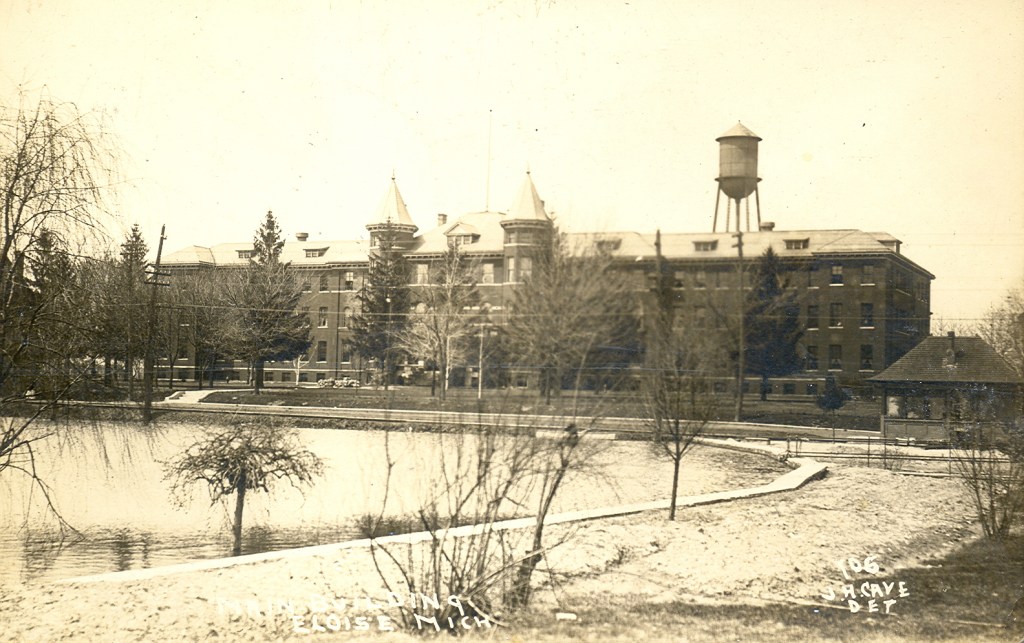
We’re about to embark on a journey into the eerie history of psychotherapy and psychology, just in time for Halloween. Prepare yourself for bone-chilling accounts of the ghastly, outdated practices and beliefs that once haunted my profession. Get ready for an unsettling exploration of the sinister stories from the past!
Section 1: The Dark Ages of Psychotherapy In the darkest times of our history, therapists and psychologists employed techniques that are nothing short of horrifying. Picture this: patients subjected to treatment based on the bumps on their heads (phrenology), or worse yet, the gruesome procedure of lobotomies performed with crude instruments. These harrowing stories will send shivers down your spine, like the tale of Rosemary Kennedy’s tragic lobotomy, a procedure with terrifying consequences.
Section 2: Freud’s Ghostly Theories Sigmund Freud, the enigmatic father of modern psychology, left behind a legacy that continues to haunt our field. While his work has undoubtedly influenced our understanding of the mind, some of his theories are undeniably unsettling. Delve into Freud’s eerie ideas like the Oedipus complex, where he suggested children may have subconscious desires for their own parents, and his fixation on dreams that often led to bizarre interpretations, making one wonder if they were trapped in a psychological nightmare.
Section 3: Asylums of the Past Mental asylums, with their dimly lit corridors and despairing patients, have a nightmarish history filled with controversial practices. Patients often found themselves at the mercy of spine-chilling treatments such as shock therapy, a procedure involving high-voltage electric shocks, or hydrotherapy, where individuals were submerged in icy water for extended periods. These horrifying methods were the stuff of true horror stories, leaving victims scarred physically and mentally.
But one of the most sinister tales comes from the notorious “Bedlam” asylum in London, where patients faced unimaginable horrors. Conditions were appalling, and the treatment was a nightmare. Inmates were shackled, abused, and left to endure torturous conditions, as recounted in the haunting memoirs of former patients.
Section 4: The Rise of Ethical Practices Thankfully, our field has come a long way from these horrific practices. Today, ethical guidelines and evidence-based therapies are the cornerstones of psychotherapy. We have made great strides towards a more compassionate and effective approach to helping individuals with mental health concerns. Our current practices provide a stark contrast to the chilling history we’ve uncovered.
Conclusion: As we conclude our journey through these spine-tingling stories from the history of psychotherapy, it’s essential to appreciate the progress we’ve made. While it’s morbidly fascinating to explore the nightmarish practices of the past, we must remember that our current ethical and evidence-based methods provide a safer and more humane path to healing. This Halloween, let’s celebrate the transformation of psychology into one that values the well-being and dignity of every individual.
Call to Action: If you enjoyed these hair-raising tales from the sinister history of psychotherapy and have your own chilling stories or thoughts to share, don’t hesitate to reach out. Visit my private practice website and connect with me on social media to continue the conversation. I look forward to hearing your thoughts and sharing more terrifying insights in the future. Happy Halloween!
 Navarro Counseling